
The Air Jordan 1 Retro High OG is the shoe Nike keeps coming back to, and for good reason. It's been in continuous rotation since its first retro run in 1994, and it's still the most-hyped silhouette in the lineup. But hype is not a review. If you're spending $180 retail or clearing $300-plus on the secondary market, you deserve a straight account of what you're getting.
This review covers the standard Retro High OG construction as it's appeared across recent releases. Specific colorway finishes vary, but the underlying build has been consistent enough to write to directly.
Fit: what to expect out of the box
The Air Jordan 1 Retro High OG fits true to size for most people. Nike builds the last slightly narrow through the midfoot, so if you have a wide foot, go half a size up. You'll feel it across the top of the foot on the first wear.
The high-top collar is stiff at first. Breaking in the ankle area takes 4 to 7 wears, depending on how long your sessions run. Don't be put off by early discomfort around the collar bone. It softens. The tongue is thick and stays centered well, which is a small thing that a lot of retro competitors get wrong.
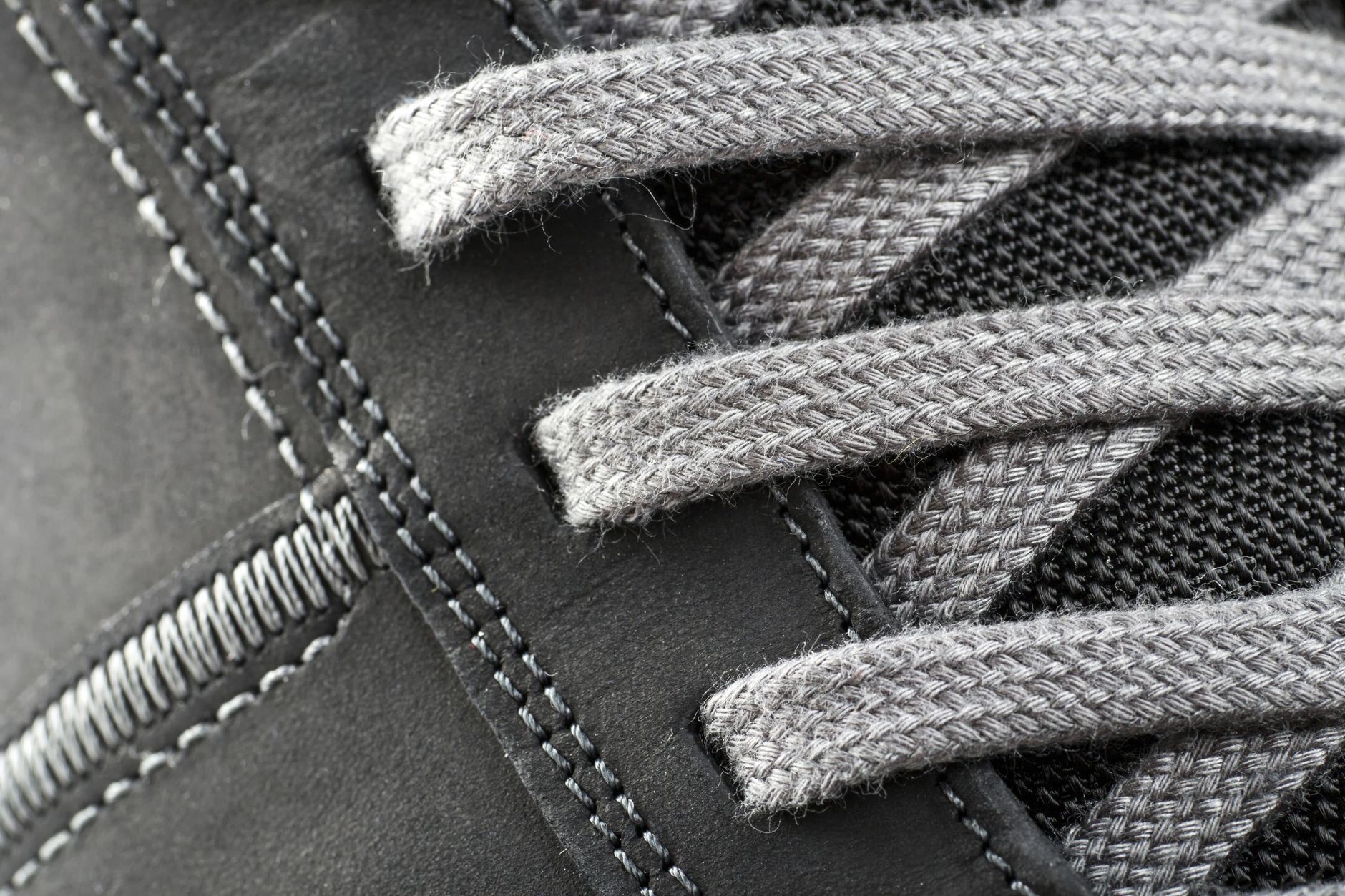
Lace length is generous. Most wearers who don't lace to the top eyelet will have excess. It's a minor gripe, but worth knowing if clean lace presentation matters to you.
Materials: leather quality and construction
Nike uses full-grain leather on the toe box, heel, and most of the upper on OG-level releases. The leather panels have weight to them. They're not supple straight out of the box, but they crease naturally rather than cracking, and they respond well to basic conditioning.
The swoosh on most releases is a stiffer, slightly shiny leather, which is period-correct but visually distinct from the matte panels. On deadstock pairs it can look slightly plastic. That normalizes after wear.
One thing worth flagging: the midsole foam is polyurethane, same as the original 1985 design. Polyurethane yellows faster than EVA foams used on newer models. If you're buying to keep deadstock, expect sole yellowing within 18 to 24 months even without wear. This isn't a flaw; it's the authentic construction. It's just worth knowing before you pay a shelf premium.
Stitching on retail pairs has been clean across the releases we've handled. No loose threads at the toe box, no separation at the collar. Quality control at the OG tier is noticeably tighter than on lower-tier Jordan 1 releases like the Mid or the non-OG colorways.
Comfort: all-day wearability
The Air Jordan 1 wasn't designed for comfort by modern standards. Nike built it for basketball in 1985, before cushioning science moved on. The heel unit is a small encapsulated Air bag, visible through the midsole window. It provides light cushioning, not cloud-like plush. If you're coming from a React or Zoom-cushioned shoe, the Jordan 1 will feel flat.
That said, it's not punishing. For everyday wear and walking, most people adapt quickly. The insole is removable and replaceable; swapping in a Superfeet or similar aftermarket insole makes a real difference for all-day use. The outsole is herringbone rubber, durable and grippy, and it doesn't compress the way thin foam soles do.
Standing for long periods is where the shoe earns complaints. The arch support is minimal. If you're on your feet for more than 4 hours, the flat footbed becomes noticeable.
Sizing compared to other Jordan retros
If you wear a true-to-size Air Jordan 4, you'll wear the same size in the Jordan 1. The lasts are similar enough that no adjustment is needed for most feet. Our Air Jordan 4 retro review goes deeper on that silhouette's fit, which can serve as a useful comparison if you're deciding between the two.
Narrow or standard-width feet: true to size. Wide feet: go half up. Low-volume feet: stay true to size or consider half down if you plan to wear thick socks.
Resale value: is it worth paying above retail?
The Air Jordan 1 resale market is the deepest and most liquid in the retro Jordan category. That's a double-edged fact. On one hand, there's always supply available on platforms like StockX and GOAT. On the other, prices on most non-limited OG colorways have compressed significantly since 2022 as Nike has increased production runs.
Standard OG colorways (Chicago, Bred Toe, Royal) typically trade at $250 to $400 depending on size and condition. Limited collaborations, especially those with Dior, Travis Scott, or Off-White, are a different category entirely and require separate resale analysis.
The honest answer on value: if you can get retail, the Jordan 1 OG is fairly priced at $180. You're paying for real leather construction and a genuine retro build. At $250 to $300 resale, you're paying a 40 to 65 percent premium for availability and sizing. That's a personal call. At $400 or above for a standard OG colorway, the value math gets hard to justify unless that specific colorway has personal meaning.
If you're trying to time a retail purchase around a confirmed drop, understanding how Air Jordan drops actually work will save you frustration and help you avoid panic-buying at resale prices the day after a launch.
Legit check basics for Jordan 1 buyers
The Jordan 1 is the most faked sneaker in the world, full stop. Factory replicas have improved every year, and some "AAA quality" fakes now fool casual buyers at a glance. Three quick areas to check: the heel tab stitching should be clean and tight, the Air unit window should sit flush with the midsole (not sunken or bubbled), and the toe box leather should have a slight natural grain, not a uniform matte texture. A full breakdown of what to look for is in our guide on how to legit check Air Jordans before you buy.
Never skip verification on a resale pair above $200. Even platforms with authentication programs miss reps occasionally.
Bottom line
The Air Jordan 1 Retro High OG is a well-built leather shoe with period-correct construction and a resale market deep enough to absorb most demand. It's not a comfort shoe, and polyurethane midsoles yellow. But the leather holds up, the silhouette is genuinely iconic, and at retail the price reflects what you receive. If your size is available at MSRP, buy it there. If you're paying secondary market prices, know exactly which colorway and condition you're paying for before committing.